Overview
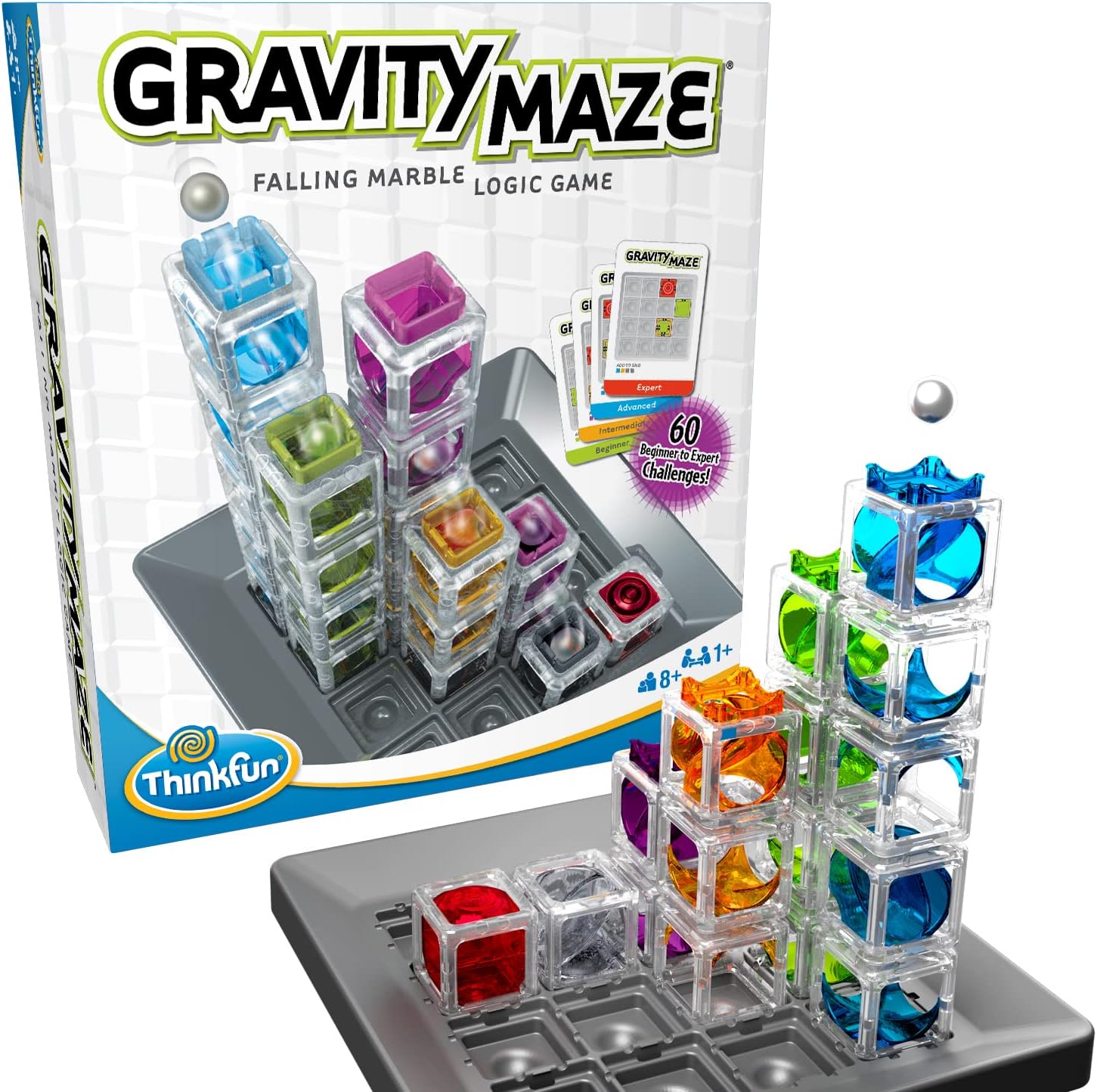
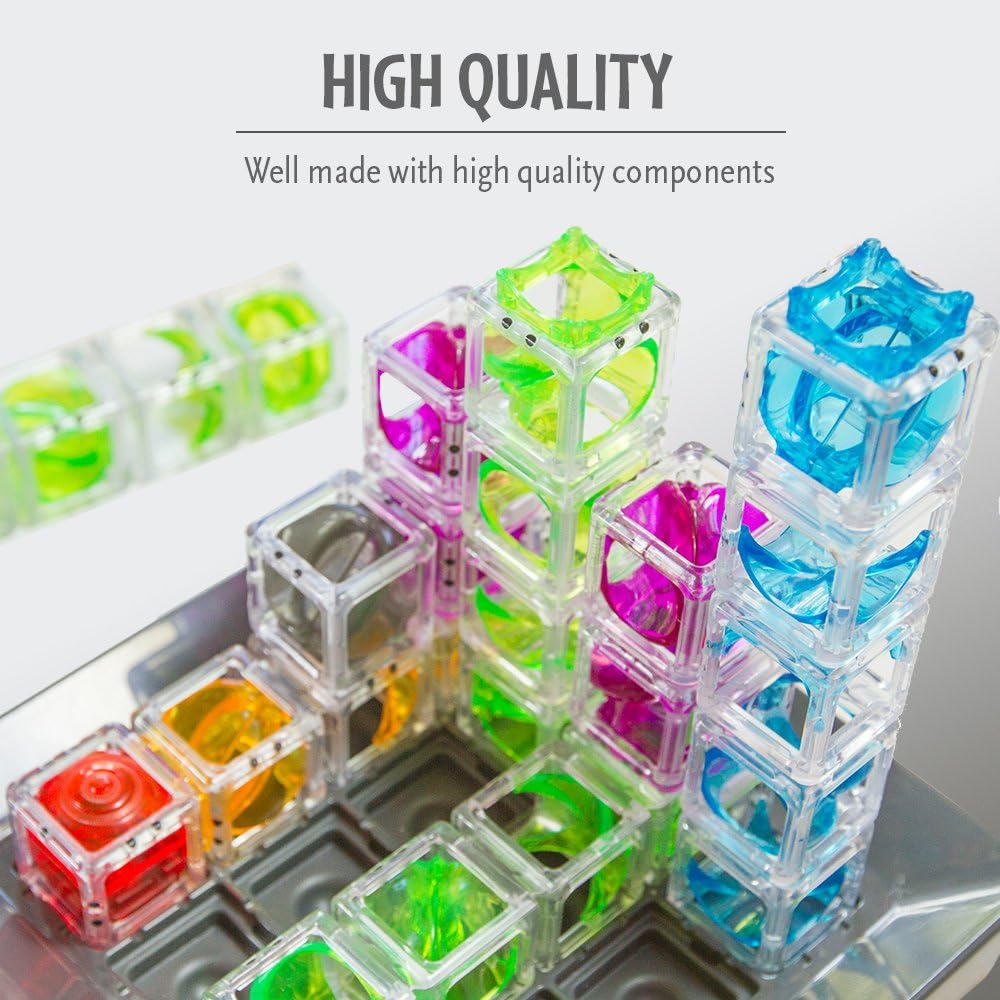
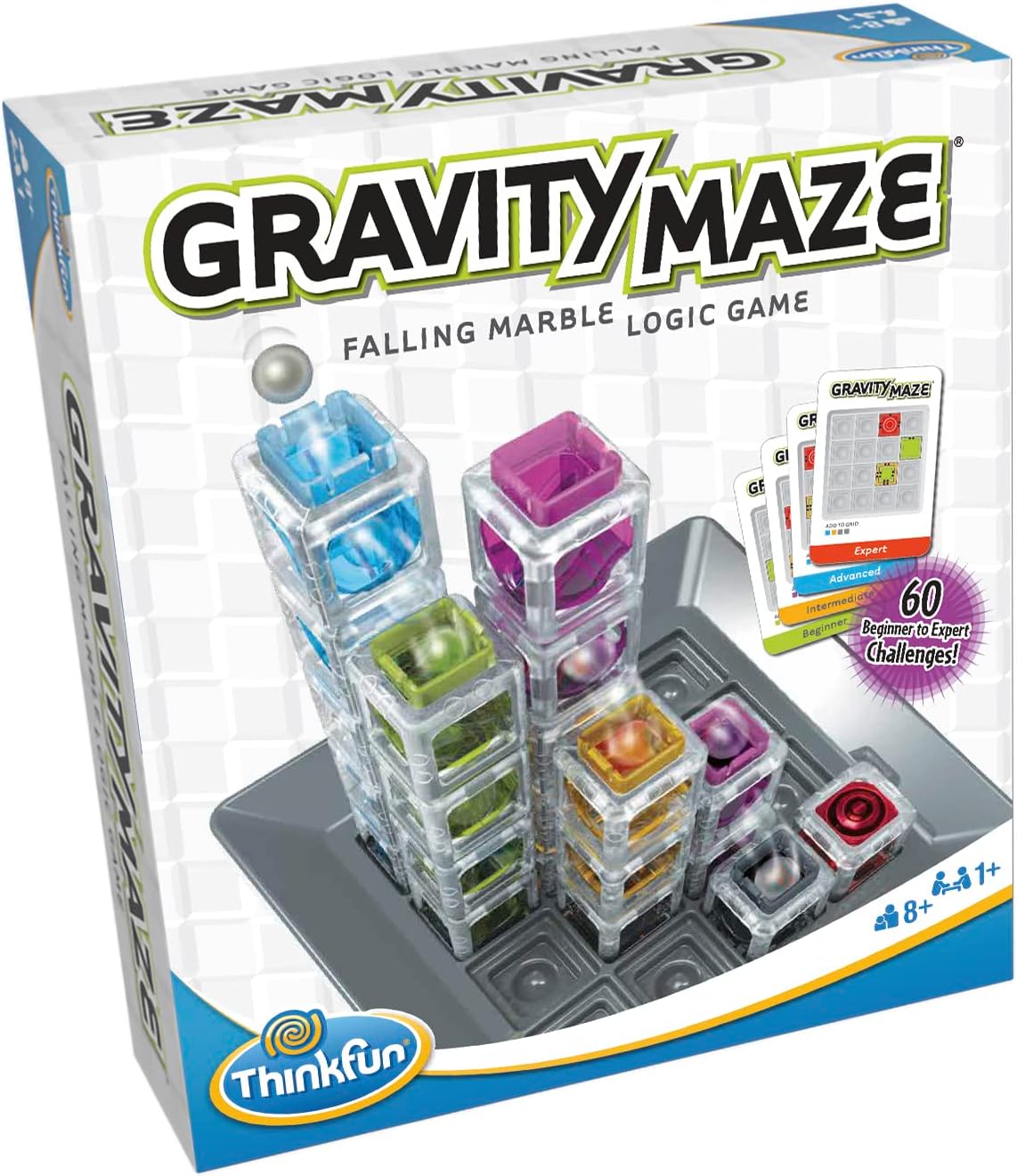
ThinkFun Gravity Maze is presented as a marble-run brain game with a STEM focus. Rather than being described simply as an open-ended building set, the product combines a puzzle format with a gravity-based marble path. The central activity is solving challenges: the player is given a problem to work through and must plan a configuration that allows the marble to travel as intended.
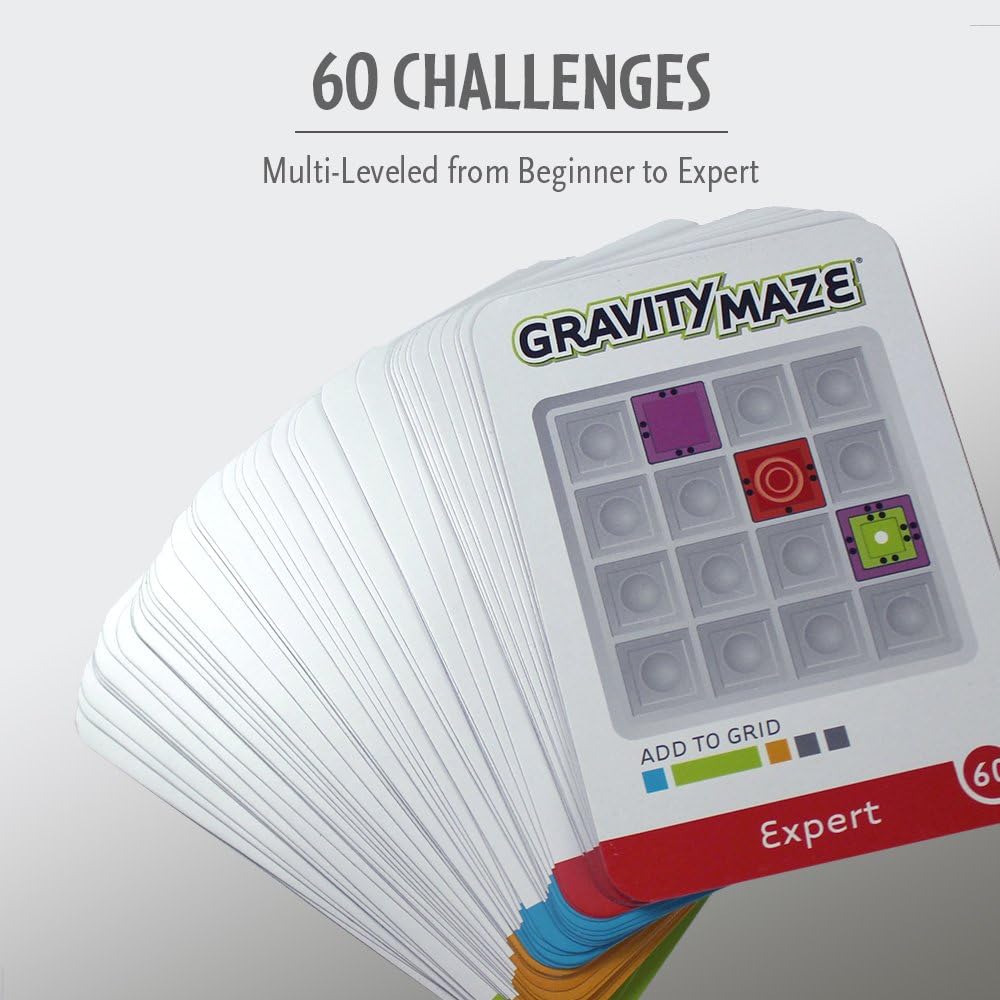
The supplied listing describes 60 challenges arranged from beginner to expert. That progression gives the product a defined sequence of activities instead of requiring families to invent every setup themselves. It may be a good fit for children who enjoy logic games, marble runs, or puzzles with a clear goal. The listed age range is 8 and up, but individual readiness can still vary depending on a child’s comfort with reading directions, following a challenge format, and working through trial and error.
The listing also describes the game as an engineering and building toy and associates it with logical reasoning, spatial reasoning, and planning. Those are descriptions of the intended play experience, not guarantees of a particular developmental result. The product page identifies Gravity Maze as a Toy of the Year Award winner in the Specialty category; because Cerebus Art has not independently verified that claim, shoppers should confirm the award language and date with the manufacturer or seller.
Product type
A marble-run brain game presented as a STEM and engineering-themed puzzle activity.
Listed age
8 and up, according to the supplied product information.
Challenge format
The listing describes 60 challenges with difficulty ranging from beginner to expert.
Included guidance
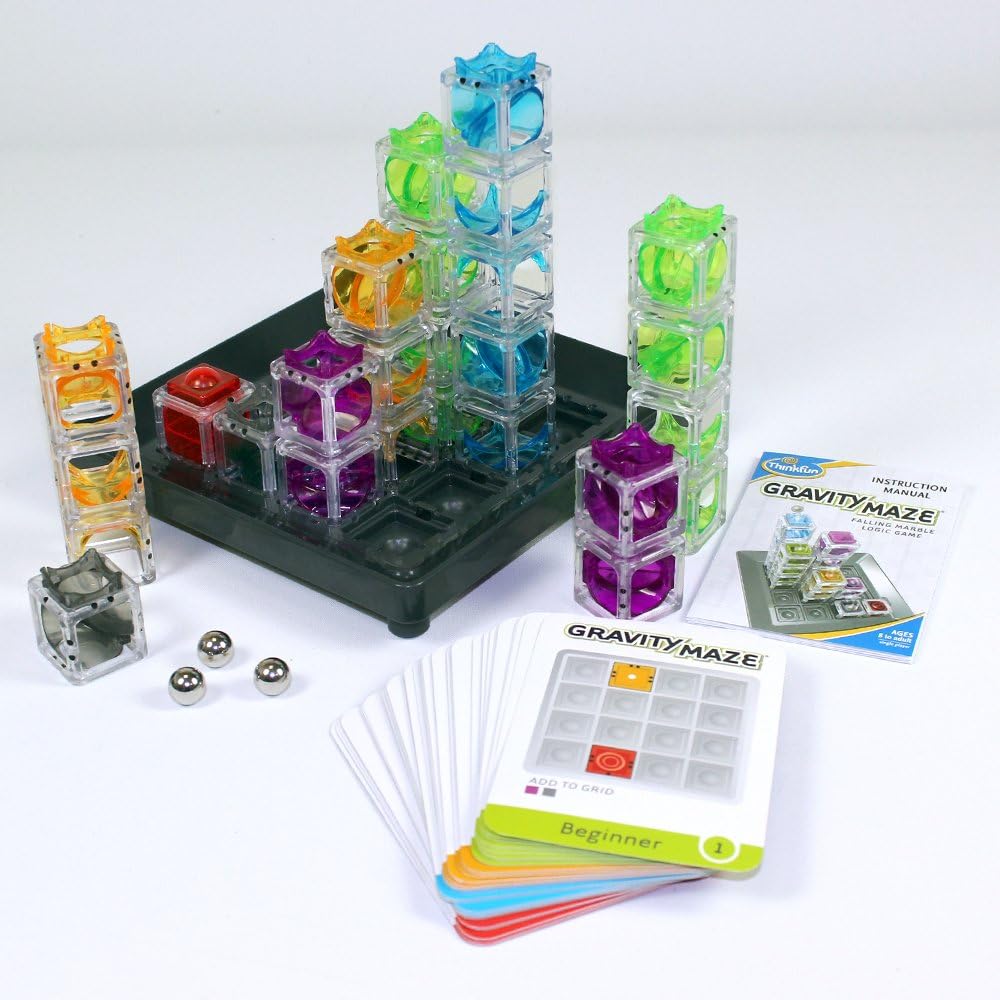
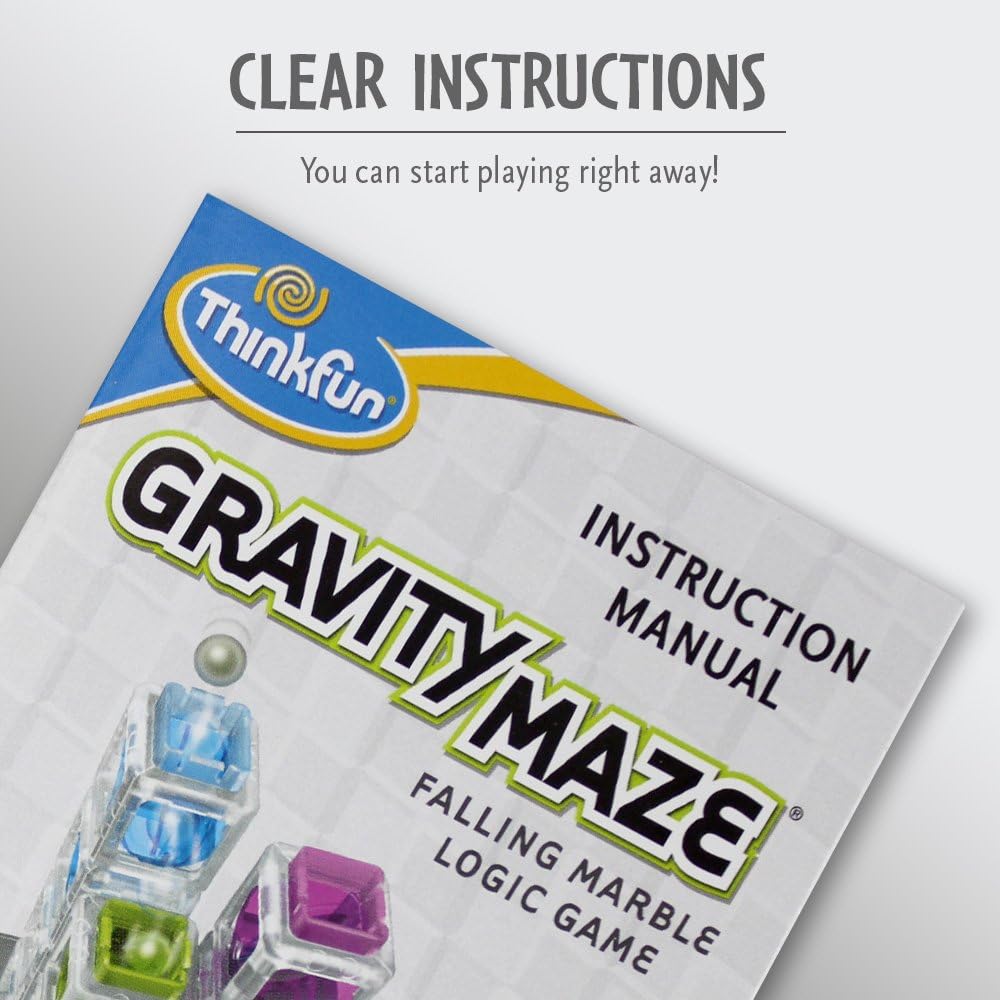
The listing says a clear instruction manual is included for learning and play.
Who may find it useful
Gravity Maze may suit a child who likes puzzles with a visible objective and a series of levels. Some children prefer an activity that tells them what problem to solve rather than an entirely open-ended construction experience. The challenge cards or instructions, as described in the listing, can provide that structure.
It may also interest families looking for a screen-free activity that connects play with ideas from science, engineering, and spatial planning. That does not make it a substitute for classroom instruction or a complete homeschool curriculum. Instead, it can be considered one optional activity among many, particularly when a child enjoys manipulating a setup, predicting what will happen, and revising a plan after an unsuccessful attempt.
The listed age of 8 and up is a starting point rather than a complete picture of fit. Consider whether the intended player enjoys:
- Following written or illustrated directions;
- Working through several attempts before reaching a solution;
- Thinking about position, movement, and sequence;
- Gradually increasing difficulty instead of repeating one simple activity; and
- Playing with a defined puzzle goal rather than unrestricted building.
Adults should also consider the child’s tolerance for frustration. A challenge game can be engaging for one child and discouraging for another. The listing does not provide enough information to predict how long a particular player will stay interested or how independently they will use the game.
What to examine before buying
Start by checking the current package contents. The supplied text identifies a clear instruction manual and describes the game as a marble run, but it does not provide a complete, independently verified component list. Before buying, confirm what is included, whether challenge cards are part of the package, and whether any pieces shown in product images are included or used only for display.
Verify the age guidance on the current packaging. The listing says 8 and up, but seller pages can contain outdated or incomplete information. If the product is intended for a younger sibling as well, review the manufacturer’s current safety guidance rather than assuming that the listed age applies to every child in the household.
It is also sensible to confirm the challenge structure. The listing describes 60 challenges from beginner to expert, but shoppers may want to know how those challenges are presented, whether solutions are provided, and whether the difficulty sequence is printed in the instructions or on separate materials. These details can affect how easily a family can begin playing.
Finally, distinguish product claims from verified editorial findings. The listing calls Gravity Maze award-winning and identifies a Toy of the Year Award in the Specialty category. If that recognition matters to your decision, check the manufacturer’s current page or the award organization’s information for the applicable year and category.
Play and learning considerations
The basic appeal appears to come from combining a physical marble path with a logic problem. A player must consider how the setup will affect the marble’s movement, then see whether the result matches the challenge. This format can make planning visible: instead of answering only on paper, the player can test a physical arrangement and adjust it.
The listing describes the activity as supporting logical reasoning, spatial reasoning, and planning. A careful way to interpret that wording is that the game offers opportunities to practice those kinds of thinking during play. It should not be treated as a guarantee of improved ability, a formal assessment, or evidence that every child will experience the same benefit.
The progression from beginner to expert may help families decide how to introduce the game. A child can start with an easier problem, learn how the activity works, and move to more demanding challenges when ready. Adults can encourage the player to explain a plan before testing it, compare the result with the intended path, and identify which change solved the problem. Those approaches add conversation without turning the activity into a lesson.
There are also practical limits to consider. A child who prefers imaginative, unrestricted construction may find a challenge-based format too structured. Another child may enjoy the clear goals but need an adult to read directions or help organize the materials at first. Since the editorial team did not test the product, we cannot assess the actual difficulty, durability, play time, or quality of the instructions.
Safety, supervision and care
Use the manufacturer’s current safety instructions as the primary reference. The product is listed for ages 8 and up, and younger children should not be given access simply because they want to participate. If the package includes small game components, keep them away from children who may place objects in their mouths, and account for other children or pets in the play area.
Supervision should match the child and the setting. An adult may want to remain nearby during initial play to help with directions, keep pieces together, and make sure the activity is used on a stable surface. Stop play if a component is cracked, loose, or otherwise damaged. Do not assume that a replacement part is interchangeable unless the manufacturer confirms it.
For storage, follow the care directions supplied with the current product. Keeping the manual and challenge materials with the game can make future setup easier. Because the supplied information does not state the materials, cleaning method, or storage dimensions, confirm those details before using a particular cleaning product or storage container.
Editorial conclusion
ThinkFun Gravity Maze may be worth considering for an age-8-and-up player who enjoys marble runs, structured logic puzzles, and challenges that become more difficult over time. Its listed format combines a physical marble-path activity with 60 stated challenges and an instruction manual, giving families a defined way to begin. The STEM and skill-related language should be understood as descriptions of the intended play experience, not promises of measurable educational or developmental results.
Before making a decision, compare the current package information with your child’s interests, frustration tolerance, and ability to follow the listed age guidance. Confirm the current details, contents, safety instructions, and award information with the manufacturer or seller. No independent hands-on test was performed.
Reviews
There are no reviews yet.